Module 1
Module 1: Family’s Role in Mental Health
Youth Mental Health and the Family: Evidence from I-NAMHS & V-NAMHS
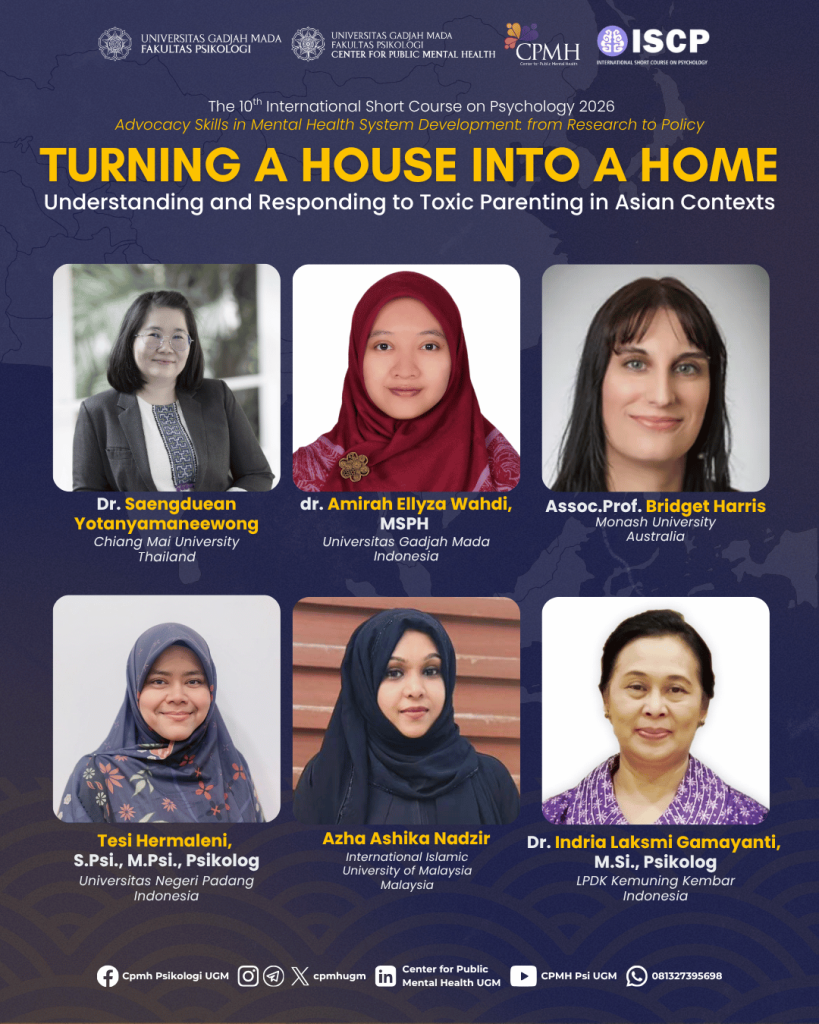
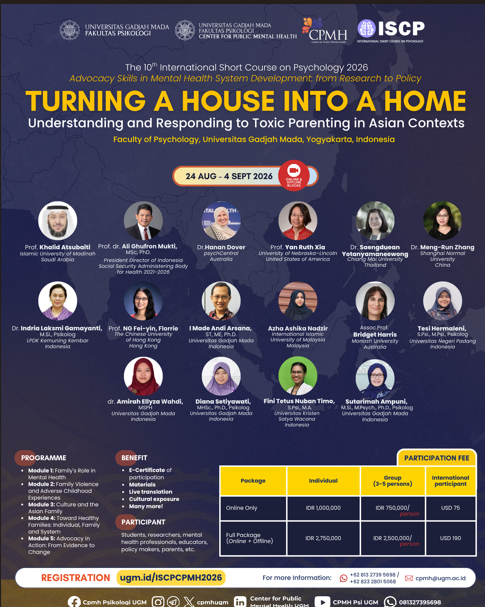
dr. Amirah Ellyza Wahdi, MSPH
This subtopic examines the scale of mental health problems among children and adolescents through findings from the Indonesia National Adolescent Mental Health Survey (I-NAMHS) and the Vietnam National Adolescent Mental Health Survey (V-NAMHS). Participants will compare prevalence across both countries and explore how family-related factors—including socioeconomic conditions, parental mental health, and family structure—shape young people’s mental health outcomes.
Family’s Role in Mental Health
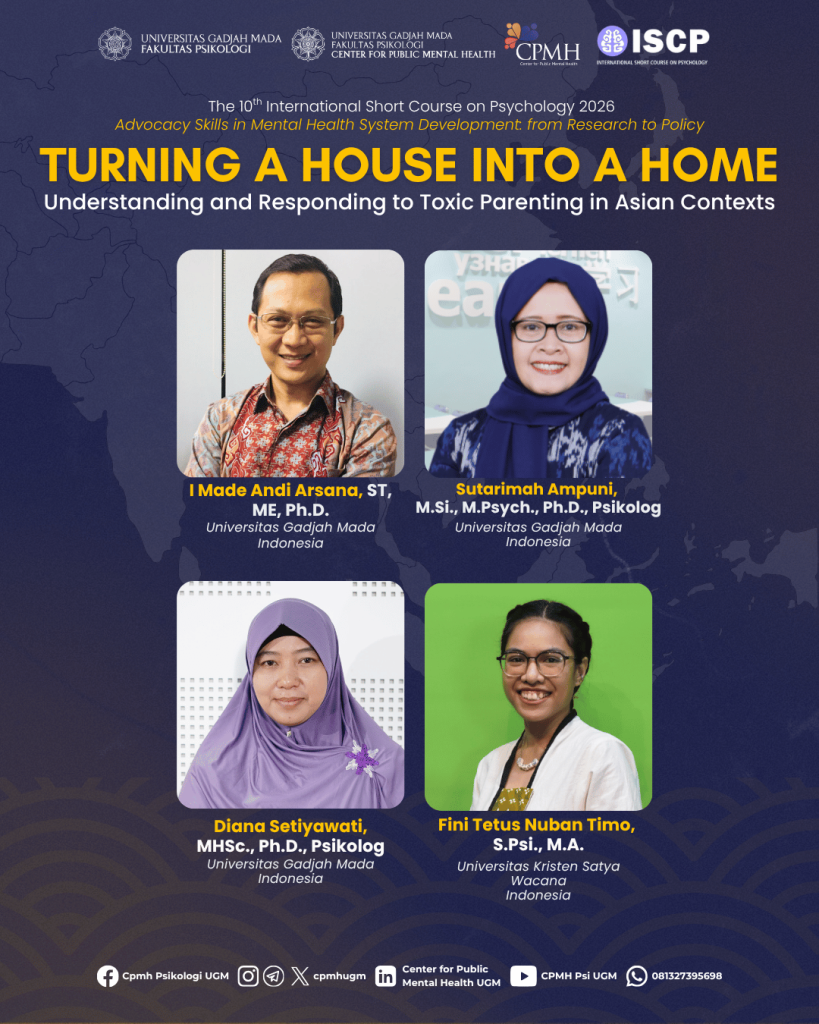
Diana Setiyawati, S.Psi., MHSc.Psy., Ph.D., Psikolog
This subtopic explains how families nurture healthy psychological development from the earliest stages of life. Participants will explore the importance of the first 1,000 days, prenatal development, early attachment, responsive caregiving, and the conditions children need to thrive. The session highlights how healthy family functioning promotes resilience and lifelong mental wellbeing.
Family and Psychopathology
Sutarimah Ampuni, S.Psi., M.Si., M.Psych., Ph.D., Psikolog
This subtopic examines how disruptions in healthy family functioning contribute to psychopathology. Participants will explore how deficits in caregiving, chronic family stress, maladaptive interactions, and other dysfunctional family processes influence the development of mental disorders while considering the family’s role in prevention and recovery.
Module 2
Module 2: Family Violence and Adverse Childhood Experiences
Adverse Childhood Experiences (ACEs)
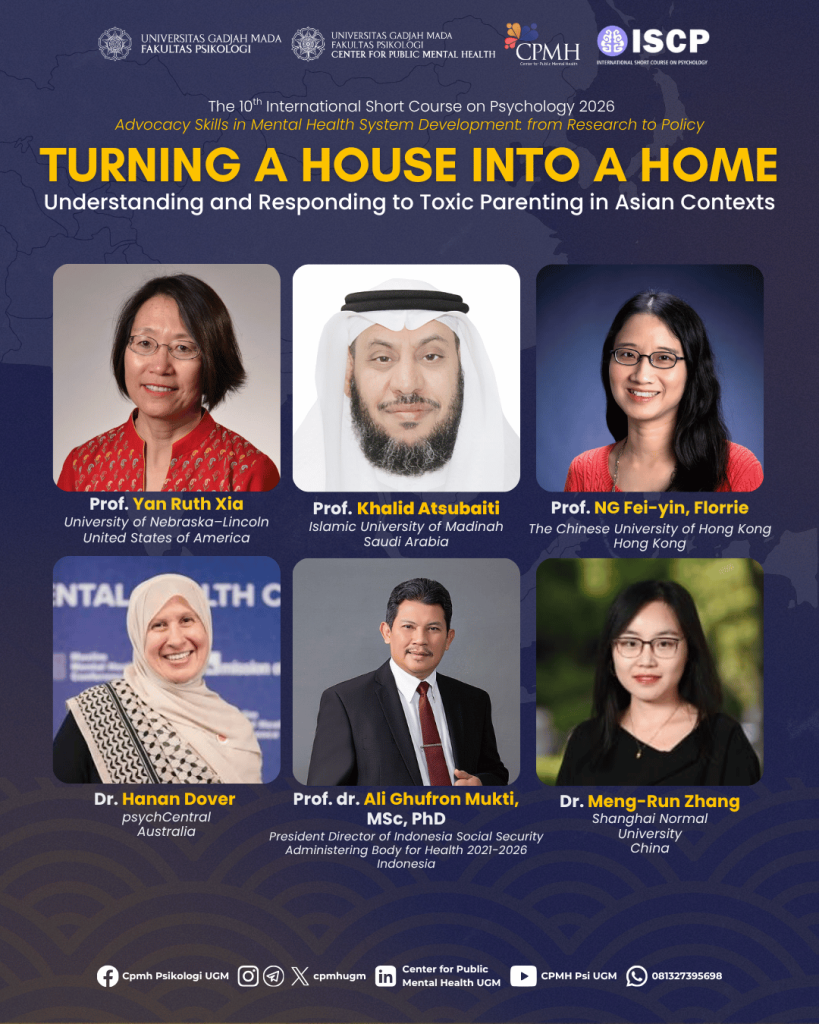
Prof. Yan Ruth Xia
This subtopic introduces Adverse Childhood Experiences (ACEs) as one of the strongest family-level determinants of lifelong health and wellbeing. Participants will examine the different categories of ACEs, review evidence on their long-term consequences, and discuss what should—and should not—be considered an adverse childhood experience.
Family Violence
Assoc. Prof. Bridget Harris This subtopic explores family violence in its various forms, including physical, emotional, psychological, and neglect, as well as children’s exposure to violence within the home. Participants will discuss the mental health consequences of family violence and critically examine culturally contested issues, such as the boundary between discipline and abuse.
Module 3
Module 3: Culture and the Asian Family
What Shapes the Asian Family
Prof. Florrie Fei Yin Ng
This introductory session explores how culture shapes family life across Asia. Participants will examine how values, family roles, social obligations, hierarchy, collectivism, and filial piety influence parenting practices and family relationships. The session provides the conceptual foundation for understanding why similar parenting behaviours may have different meanings across cultural contexts.
Across Asia
China – Dr. Meng-Rung Zhang
India – Azha Ashika Nadzir
Arab Region – Prof. Khalid Atsubaiti
Tahiland – Dr. Saengduean Yotanyamaneeewong
Each Across Asia session presents a culturally grounded perspective on family life and parenting. Rather than viewing Asian parenting through a single lens, participants will examine how history, religion, social structures, and local traditions shape parenting norms, family relationships, and children’s development. The sessions also distinguish culturally accepted parenting practices from harmful behaviours, encouraging a more nuanced understanding beyond the stereotype that “Asian parenting is inherently strict or toxic.”
Across Indonesia
Java (Kejawen) – Dr. Indria Laksmi Gamayanti, M.Si., Psikolog
Minangkabau – Tesi Hermaleni, S.Psi., M.Psi., Psikolog
Eastern Indonesia – Fini Tetus Nuban Timo, S.Psi., M.A.
Bali – I Made Andi Arsana
Each Across Indonesia session presents a culturally grounded perspective on family life and parenting across different regions of Indonesia. Rather than viewing Indonesian families through a single lens, participants will explore how local history, beliefs, social structures, cultural values, and traditions shape parenting practices, family relationships, and children’s development. The sessions also invite participants to distinguish culturally rooted and accepted parenting practices from harmful behaviours, encouraging a more nuanced understanding of Indonesia’s diverse family systems beyond the assumption that there is a single “Indonesian parenting” style.
Religion and Family (Islam and Buddhism)
Diana Setiyawati, S.Psi., MHSc.Psy., Ph.D., Psikolog
Dr. Saengduean Yotanyamaneeewong
This subtopic explores the role of religion in shaping family values, parenting, and child development. Participants will discuss how religious teachings can strengthen family resilience and wellbeing while also reflecting on situations in which religious beliefs may be misinterpreted or misused in ways that increase risk. The session encourages critical reflection without undermining the value of faith itself.
Module 4
Module 4: Toward Healthy Families – Individual, Family, and System
Family Intervention Framework
Diana Setiyawati, S.Psi., MHSc.Psy., Ph.D., Psikolog
This workshop introduces an integrated framework for strengthening families through interventions at the individual, family, and systems levels. Participants will explore intergenerational parenting patterns and use these insights to develop practical recommendations that can be translated into policy briefs and action plans.
What the Individual Can Do: Surviving Vulnerability
Dr. Hanan Dover
This interactive session focuses on individual resilience and recovery. Participants will discuss when harmful family relationships can be repaired, when healthier boundaries are needed, and how individuals can develop coping strategies while navigating difficult family environments.
What Families Can Do: Building Strength Together
Dr. Hanan Dover
This workshop explores practical approaches to transforming vulnerable families into healthier and more supportive systems. Participants will discuss strategies for strengthening family relationships, improving communication, and building protective environments that foster resilience.
What the State Can Do: Prevention, Promotion, Treatment, and Rehabilitation
Dr. Hanan Dover
Participants will examine the role of governments and public systems in supporting healthy families. The session discusses policy approaches across the continuum of prevention, mental health promotion, treatment, and rehabilitation, highlighting how structural interventions can create supportive family environments.
Lessons from Australia: Promoting Healthy Families
Dr. Hanan Dover
Drawing on Australian experience, this session presents evidence-informed policies and programs that strengthen families and promote child wellbeing. Participants will reflect on successful initiatives, including family-friendly policies, and consider how these lessons can be adapted to different national contexts.
Building an Action Plan
Facilitated Workshop
Participants will synthesize learning from the module by developing practical action plans that translate evidence into realistic interventions for strengthening families within their own settings.
Module 5
Module 5: Advocacy in Action – From Evidence to Change
Understanding Advocacy and the Evidence
Prof. Ali Ghufron Mukti
This workshop introduces the fundamentals of evidence-based advocacy. Participants will learn how research can be translated into persuasive messages and adapted for different audiences, including policymakers, government agencies, and community stakeholders.
Mapping the Stakeholders
Prof. Ali Ghufron Mukti
Participants will identify key stakeholders, analyze their interests and influence, and develop stakeholder maps to support effective advocacy strategies.
Framing and Messaging
Prof. Ali Ghufron Mukti
This session explores how to communicate evidence clearly and persuasively by tailoring messages to different audiences while maintaining scientific integrity.
Activities
Cultural Exposure: The Sonobudoyo Museum
Participants will explore the Sonobudoyo Museum to gain deeper insight into Javanese history, cultural heritage, and traditional family life. The visit complements the academic sessions by illustrating how cultural values are embedded in everyday community life.
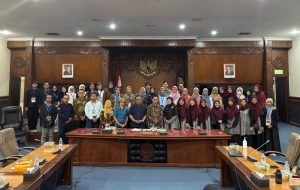
Audience with the House of Representatives (DPR DIY)
Participants will visit the Regional House of Representatives (DPR DIY) to observe how research evidence can inform policymaking. The session provides an opportunity to discuss policy development and advocacy with legislative stakeholders.
Wrap-Up Session: Lessons Learned
Diana Setiyawati, S.Psi., MHSc.Psy., Ph.D., Psikolog
Participants will reflect on the key insights gained throughout the Summer Course, share experiences from the workshops and field visits, and identify opportunities to apply the knowledge within their own institutions and communities.
 Family’s Role in Mental Health
 Online & Offline Blocks
 Faculty of Psychology, Universitas Gadjah Mada, Yogyakarta, Indonesia